Three curated quizzes spanning classical film history, contemporary cinema, and director studies. Use keyboard shortcuts 1–4 to select answers.
Cinema is not passive entertainment. Every film carries within it an argument about the world — about power, memory, identity, and desire. Understanding how those arguments are constructed makes you a more discerning reader of culture.
Film literacy builds the capacity to interpret visual and narrative choices, to understand context, and to engage with ideas through story. It is, at its core, a form of cultural education.
Read the Full ArticleUnderstanding composition, colour theory, and camera movement as deliberate narrative choices.
World cinema opens windows into societies, histories, and perspectives rarely encountered elsewhere.
Cinema creates shared reference points and invites ongoing conversation about what stories mean.
Films preserve and transmit the textures of daily life, political struggle, and social change.
Inhabiting other perspectives through narrative develops emotional intelligence and intellectual openness.
Studying film structure improves writing, communication, and the ability to construct compelling arguments.
Resources designed for curious minds, educators, and anyone who believes that watching films thoughtfully is worth practising.
Expertly designed quizzes spanning film history, theory, and genre — structured to challenge and educate rather than simply quiz.
In-depth reading guides, terminology glossaries, and curated film lists for self-directed learners and educators at every level.
Structured conversation frameworks for book clubs, classrooms, and community screenings — designed to deepen engagement with individual films.
Ready-to-use quiz packages for educators and community organisers, covering world cinema, documentary, and film craft at accessible levels.
How streaming, algorithm-driven discovery, and short-form video are reshaping what it means to be a literate film audience in the 2020s.
Read Article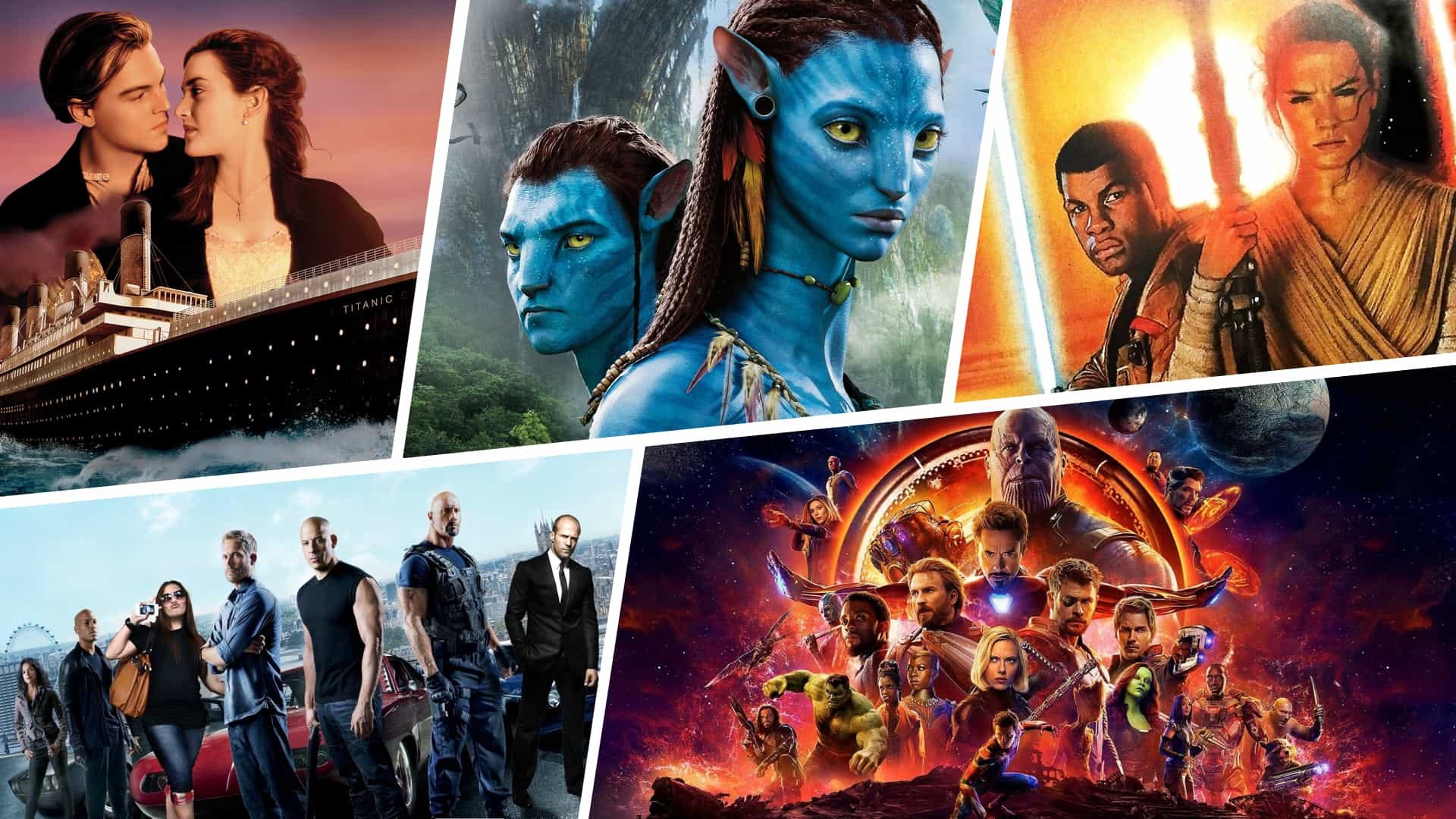
From the fixed camera and theatrical staging of the earliest films to the spatial and temporal complexity of contemporary cinema.
Read Article
Practical approaches to developing an analytical eye — from attending to framing and performance to tracing the influences that shape a director's work.
Read Article"I'd been watching films for twenty years without really understanding what I was looking at. The quizzes here sent me back to basics — mise-en-scène, aspect ratio, the purpose of negative space. Genuinely changed how I experience cinema."
"I use the discussion guides with my university students. They're structured well enough to guide a seminar but open enough that real conversation can happen. The film literacy article is now assigned reading in my course."
"The directors quiz humbled me — I thought I knew my Kurosawa from my Ozu but the questions were genuinely specific. I came back three times and learned something new each attempt. More questions please."
"As someone who grew up far from film schools or arthouse cinemas, Impact Cinema has been a genuinely accessible entry point. The writing never condescends, and the quizzes are designed to teach rather than just test."
"I work in documentary production and I still find something new here. The storytelling evolution article made me reconsider how I think about pacing in non-fiction work. Thoughtfully written and thoroughly researched."
"My film club uses the quizzes as ice-breakers before our monthly screenings. They consistently spark the kinds of conversations we'd normally struggle to start. The explanations with each answer are particularly valuable."
A small editorial team of film writers, educators, and developers based primarily in Ottawa and working across Canada.
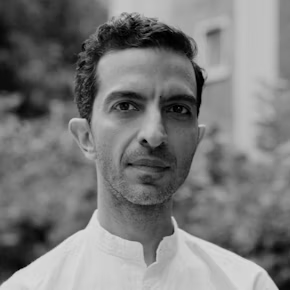
Former film journalist with fifteen years covering Canadian and international cinema for print and digital publications.
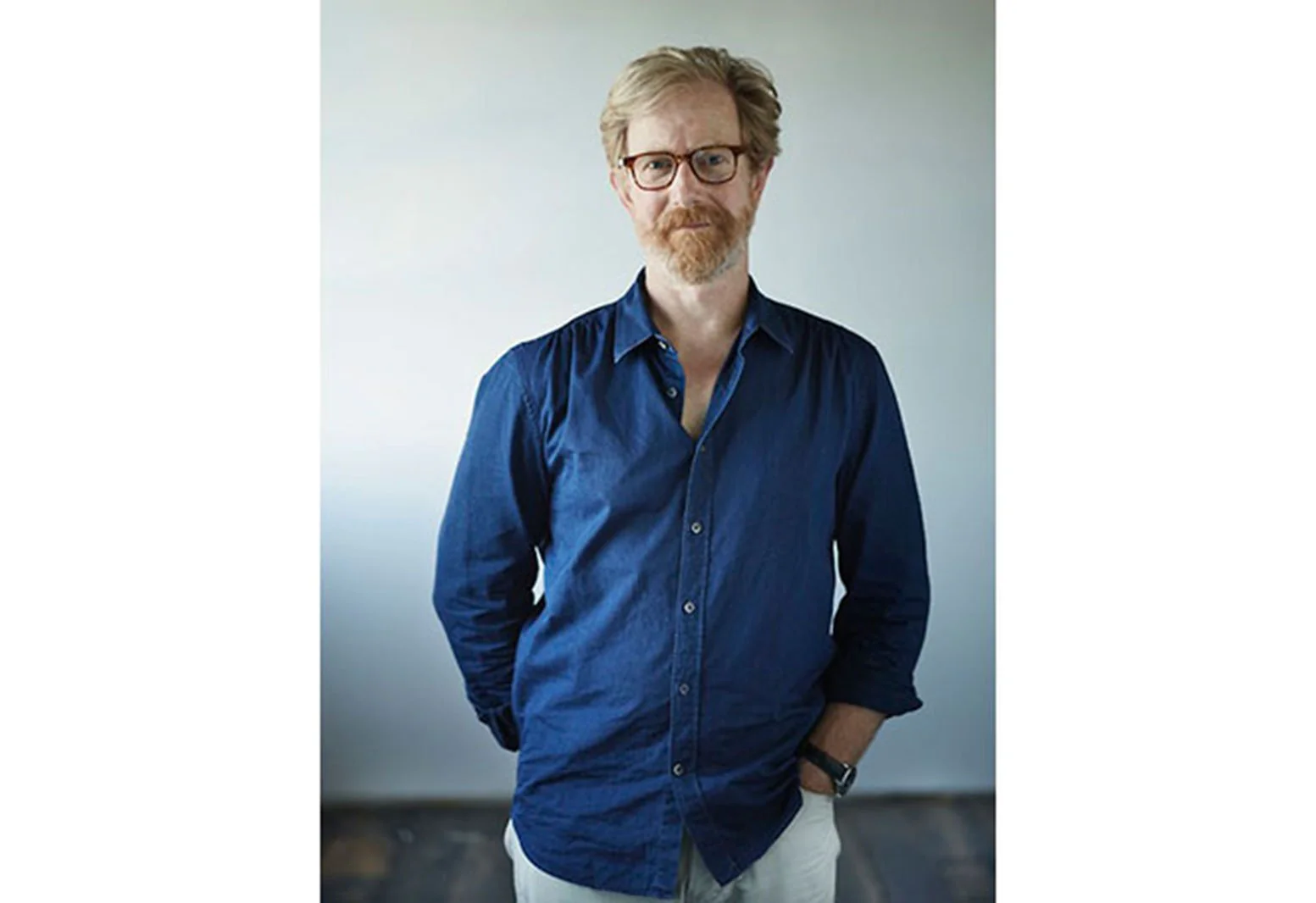
Holds a degree in cinema studies from Concordia University and curates the platform's film lists and learning paths.

Researcher specialising in world cinema with a focus on South Asian and East Asian film movements.

Developer and cinephile responsible for the platform architecture, quiz engine, and accessibility standards.

Secondary school media literacy educator who shapes the pedagogical frameworks underlying the quiz and article content.